Local Election Voter Checklist: Registration, ID, and Polling Day Basics
Election season has a way of sneaking up on people. One week your mailbox is quiet, the next it is full of leaflets, and a neighbour is asking whether you have sorted out your paperwork yet. The good news is that voting takes very little time — as long as you deal with the deadlines in the right order. Here is a straightforward checklist, built around the things that actually trip people up.
Start With Registration, Because Everything Else Depends On It
Nothing else on this list matters until your name appears on the electoral register. That register is the official list of people eligible to vote in your area, and it is maintained by your local council rather than by a political party or a national office.
If you have moved house, changed your name, or turned eighteen since the last registration period, assume you need to register again. Registration does not follow you automatically when you move.
In most places you can register online in about five minutes. You will typically be asked for:
- Your full name and date of birth
- Your current address, plus the address where you were previously registered if you have moved
- Your national insurance number or an equivalent identifier
If you cannot register online, or you would rather not, your council can send you a paper form. If you are a student living between two addresses, you may be able to register at both, but you can only vote once in the same election — usually at one address. Check the rules that apply where you live, as they vary.
Watch the deadline, not the election date
The registration deadline usually falls a couple of weeks before polling day, and it is a hard cut-off. Miss it and there is no appeal, no exception for holidays, and no quiet word with anyone at the town hall. Your council's website will list the exact date. Put it in your phone calendar now, with a reminder a week earlier.
Missing from the register?
If you have registered before but are not sure it went through, ring your council's electoral services team. Do not wait until polling day to discover there is a problem. Staff can confirm whether you are on the register and tell you what needs fixing.
Check What ID You Need Before You Set Off
Many places now require photo identification at the polling station. The exact list of accepted documents depends on where you live and what kind of election it is, so the reliable move is to check your council's website or your polling card rather than relying on what a friend told you.
Accepted ID generally includes things like:
- A passport or driving licence
- A national identity card or a local voter identification card
- Certain concessionary travel passes or older person's bus passes
- A postal or proxy vote document in some circumstances
Two details matter most. First, the document usually needs to be the original, not a photocopy or a photo on your phone. Second, it often needs to be current, though some places accept recently expired documents. If your only form of ID has expired or you do not have one at all, look into a free local voter ID scheme well ahead of time — these applications can take several weeks to process.
One more thing: your name on the ID should match your name on the register. If you have married, divorced, or changed your name since you last registered, sort that out early. A mismatch is the most common reason people are turned away.
Find Your Polling Station in Advance
Your polling station is not always the nearest building to your home. It is assigned based on your registered address, and it can change between elections as venues come and go.
Your poll card, which usually arrives a few weeks before polling day, names the station and lists its opening hours. You do not need to bring the card with you to vote, but it is a useful reminder to keep on the fridge.
If the card has not arrived, or you have misplaced it, your council's website will have a postcode lookup. Do that search in advance rather than on the day. A quick check takes two minutes on a Tuesday and saves a stressful detour on a Thursday evening.
Plan around work and school runs
Polling stations typically open early and stay open until late, but that does not make the day convenient by default. Think about whether the morning rush or the after-work crush suits you better. Mid-morning and early afternoon are often the quietest stretches. You do not need to tell your employer why you need time to vote, and many workplaces will accommodate it, but check your own contract or workplace policy if you are unsure of your rights.
There is one golden rule: if you are in the queue at the polling station when it closes, you should be allowed to vote. Do not walk away because the clock has ticked over.
Voting by Post: Apply Early, Then Don't Miss the Return Deadline
Postal voting suits people who work away, have mobility issues, or simply prefer a quiet kitchen table to a crowded village hall. The catch is that it adds two deadlines instead of removing them.
- Apply in good time. Postal vote applications normally close roughly a week and a half before polling day, though the exact cut-off varies. Apply earlier than you think you need to.
- Fill in the paperwork carefully. Postal votes come with a declaration that must be signed and, in many places, dated with your date of birth. An unsigned or wrongly dated form is the single most common way a postal vote gets rejected. Read the instructions twice before you seal the envelope.
- Return it by the deadline. That usually means it must arrive at the council by close of polls, not simply be postmarked by then. If you are cutting it fine, you can often hand it in at your polling station or at the council office instead of trusting the post.
If you will be away and cannot post a vote at all, look into a proxy vote, where someone you trust votes on your behalf. Proxy applications have their own deadline, and the person you appoint needs to be eligible, so arrange this well before the election.
A Quick Polling Day Checklist
Print this, screenshot it, or scribble it on a sticky note:
- Confirm you are on the electoral register — ring the council if unsure
- Know the registration deadline and treat it as final
- Check exactly which ID is accepted and that the name matches
- Look up your polling station and its opening hours
- Work out when you will go, accounting for work and family
- If voting by post, sign and date the declaration before sealing the envelope
- Check the return deadline and where the envelope must physically be
- Keep your poll card somewhere you will see it
If you are unsure about your own circumstances — a recent move, a name change, a disability that makes the polling station difficult, or a past application that may not have gone through — contact your council's electoral services team directly. They deal with these questions all year and are far more helpful than most people expect. This guide covers general practice only; for anything involving your specific legal position, seek advice from your local electoral office.
One Small Habit That Saves a Lot of Stress
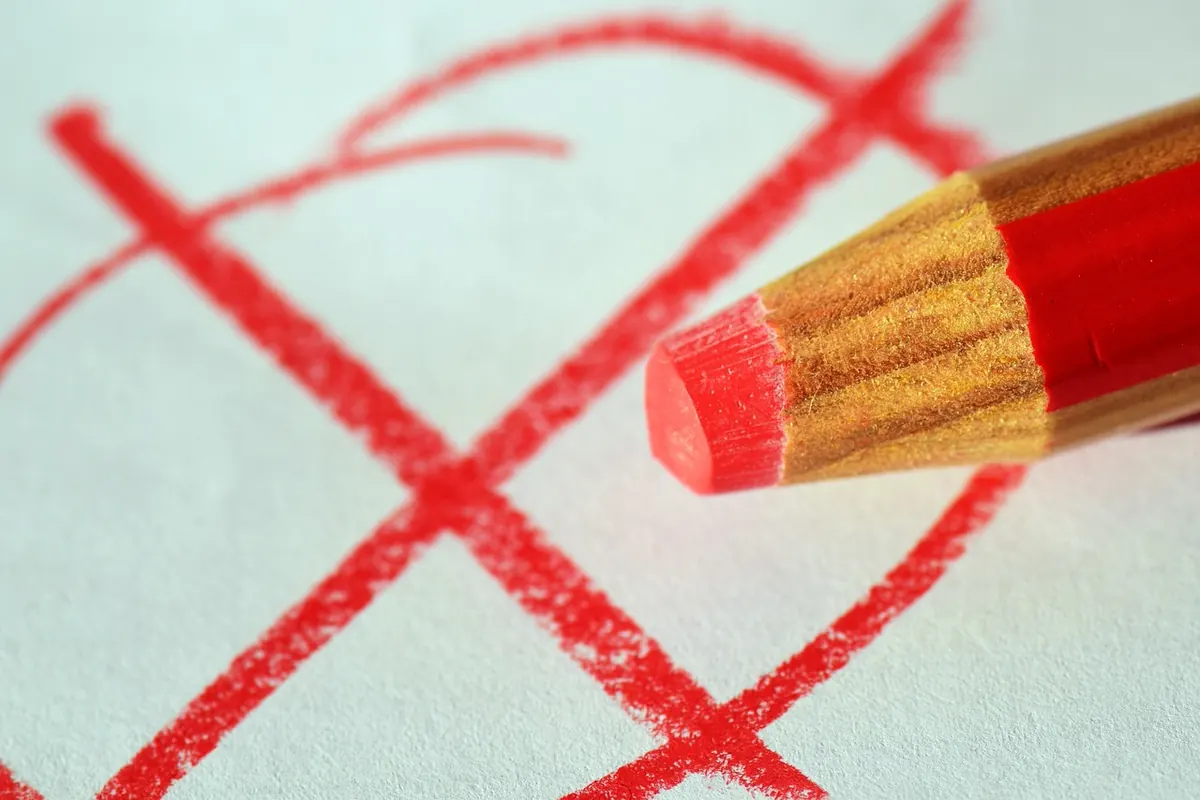
Do the two-minute checks now, while the election is still a date in the distance. Register if you need to. Confirm your ID. Look up the station. Then set a reminder for the day itself and forget about it. The point of all this admin is not to make voting complicated — it is to make sure that when you walk in, the only thing left to do is mark a box.
Photo: ulleo / Pixabay